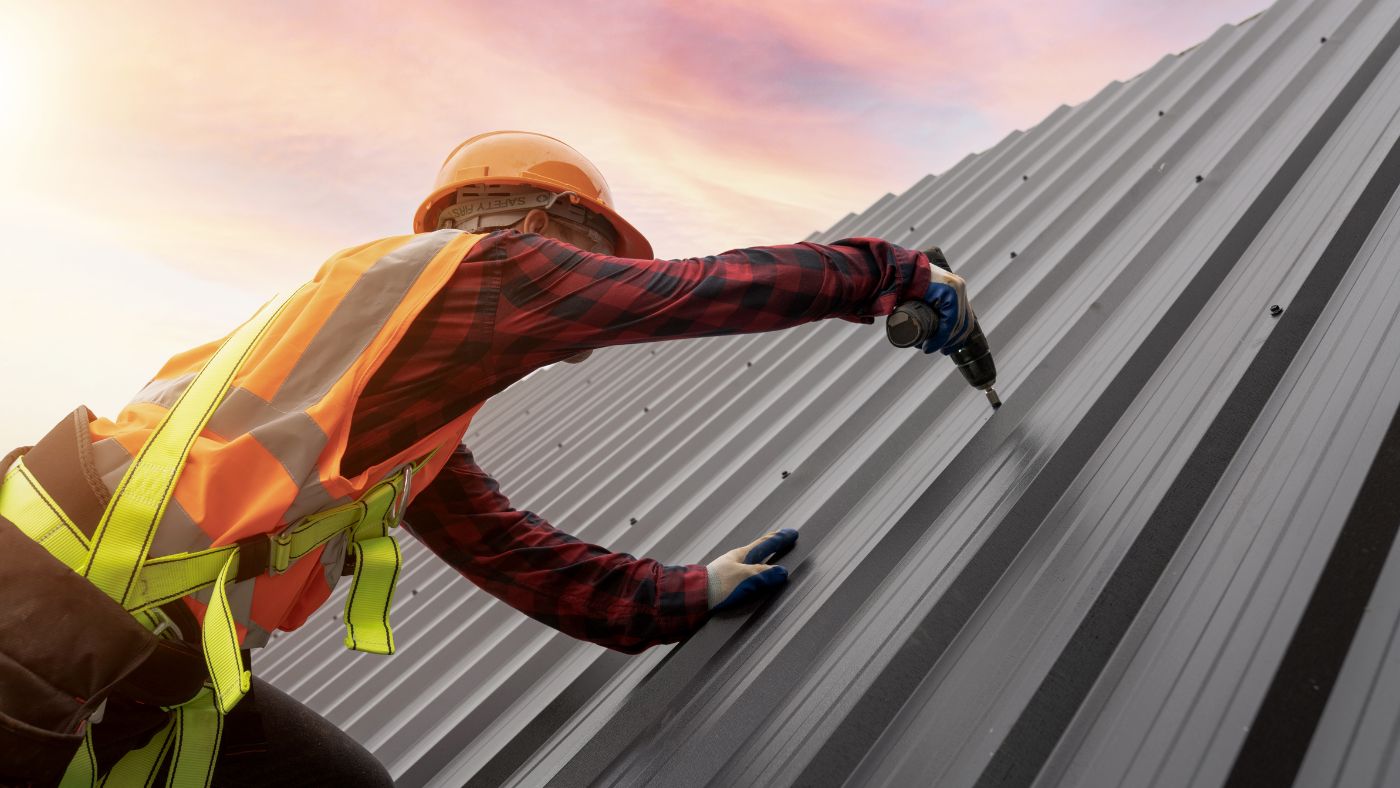
Steel buildings have become a preferred choice in modern construction due to their durability, flexibility, and cost-effectiveness. One of the crucial aspects that contribute to the efficiency and aesthetics of steel buildings is the type of panel used. In this article, we will discuss the three most popular panels used in steel buildings: screw panels, Kliplok panels, and seam panels. Understanding their unique features and applications can help in making an informed decision for your next construction project.
Screw Panels
Screw panels are among the most commonly used panels in steel buildings. These panels are attached to the frame of the building using screws, which makes them relatively easy to install. They are highly versatile and can be used for both roofing and wall cladding, providing a secure and weather-tight seal.
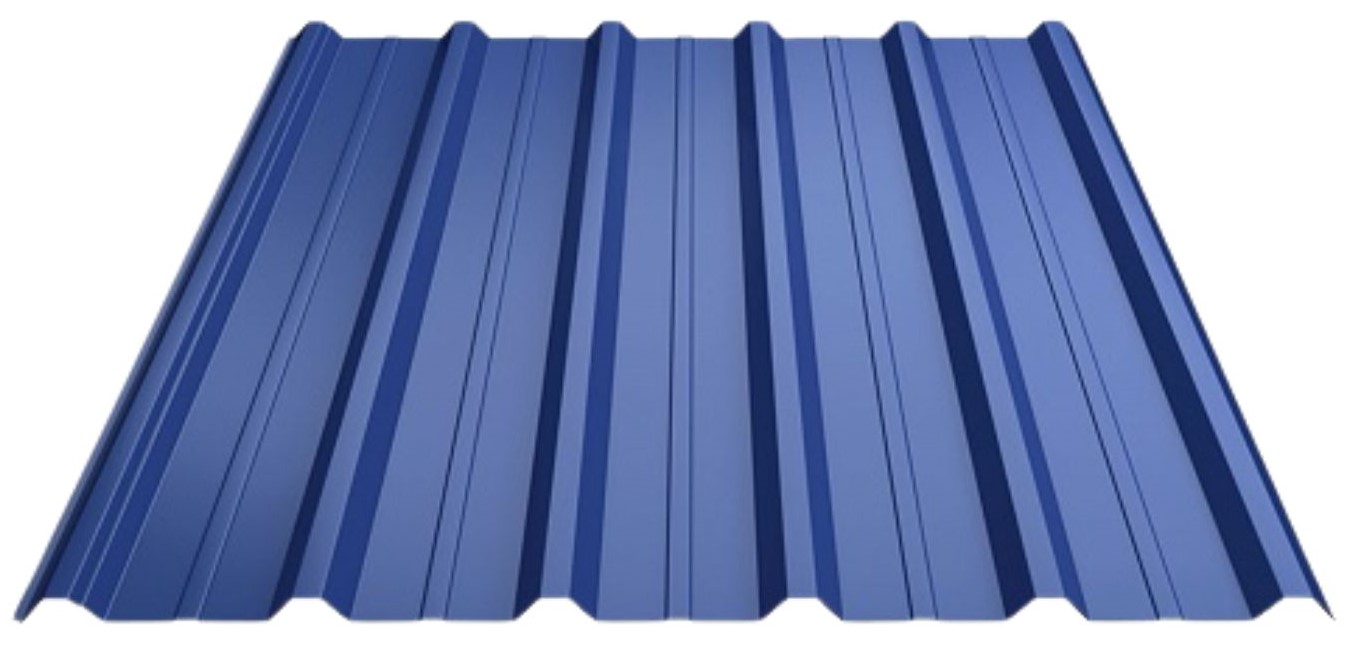
Advantages of Screw Panels:
1. Cost-Effective: Screw panels are generally more affordable compared to other panel types, making them a popular choice for budget-conscious projects.
2. Easy Installation: The installation process for screw panels is straightforward, reducing labor costs and construction time.
3. Versatility: They can be used in a variety of applications, including industrial, commercial, and residential steel buildings.
Disadvantages of Screw Panels:
1. Potential for Leaks: Over time, the screws can loosen due to thermal expansion and contraction, potentially leading to leaks.
2. Maintenance: Regular maintenance is required to check and tighten the screws to ensure the integrity of the seal.
Kliplok Panels
Kliplok panels are a modern and innovative type of panel used in steel buildings. These panels are attached to the building frame using concealed clips, which eliminates the need for screws on the surface. This design not only enhances the aesthetic appeal but also improves the overall performance of the building envelope.
.jpg)
Advantages of Kliplok Panels:
1. Aesthetic Appeal: The absence of visible screws gives Kliplok panels a clean and sleek look, which is highly desirable in modern architecture.
2. Improved Water Tightness: The concealed clip system provides a superior seal against water infiltration, reducing the risk of leaks.
3. Durability: Kliplok panels are designed to withstand harsh weather conditions and require less maintenance compared to screw panels.
Disadvantages of Kliplok Panels:
1. Higher Cost: The advanced design and installation process make Kliplok panels more expensive than traditional screw panels.
2. Complex Installation: Installing Kliplok panels requires specialized skills and tools, which can increase labor costs and construction time.
Seam Panels
Seam panels are another popular option for steel buildings, particularly for roofing applications. These panels are joined together using a seam-locking mechanism, which provides a continuous and secure seal. Seam panels are available in various profiles, including standing seam and snap-lock, each offering unique benefits.
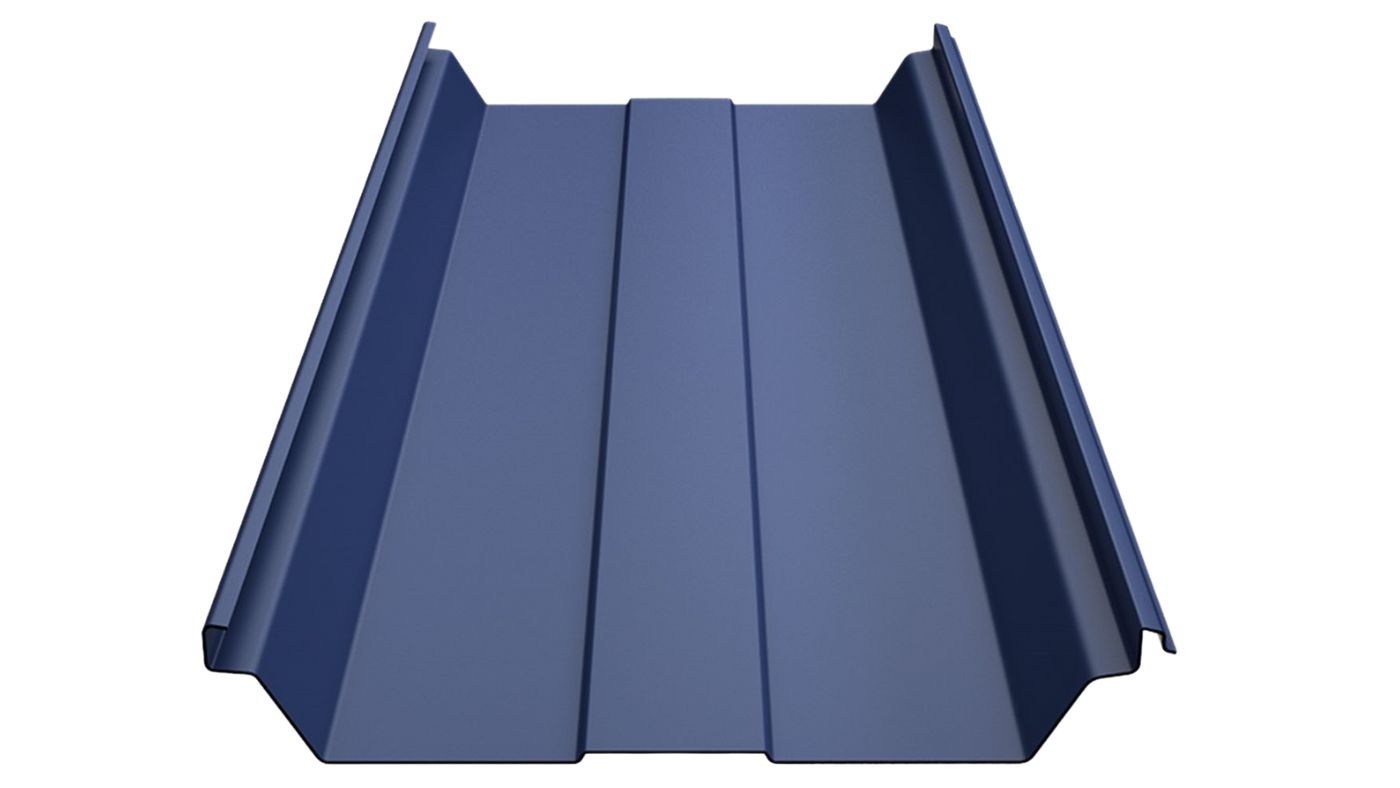
Advantages of Seam Panels:
1. Superior Weather Resistance: The seam-locking mechanism ensures that the panels remain tightly sealed, providing excellent protection against wind, rain, and snow.
2. Longevity: Seam panels are highly durable and can last for several decades with minimal maintenance.
3. Energy Efficiency: These panels can accommodate insulation materials, improving the thermal efficiency of the building and reducing energy costs.
Disadvantages of Seam Panels:
1. Cost: Seam panels are typically more expensive than screw panels, although they offer long-term value due to their durability and performance.
2. Installation Complexity: Similar to Kliplok panels, the installation of seam panels requires skilled labor and specialized tools, which can increase the overall project cost.
Conclusion
In conclusion, selecting the right panel for your steel building is crucial for ensuring its performance, durability, and aesthetics. Screw panels offer a cost-effective and versatile solution, while Kliplok panels provide a sleek and water-tight option for modern construction. Seam panels, with their superior weather resistance and longevity, are an excellent choice for high-performance roofing applications. By understanding the advantages and disadvantages of each panel type, you can make an informed decision that best suits the needs of your steel building project.
When considering steel buildings, it is essential to factor in the specific requirements of your project, including budget, design preferences, and environmental conditions. With the right choice of panels, your steel structure will not only meet but exceed your expectations in terms of performance and aesthetics.