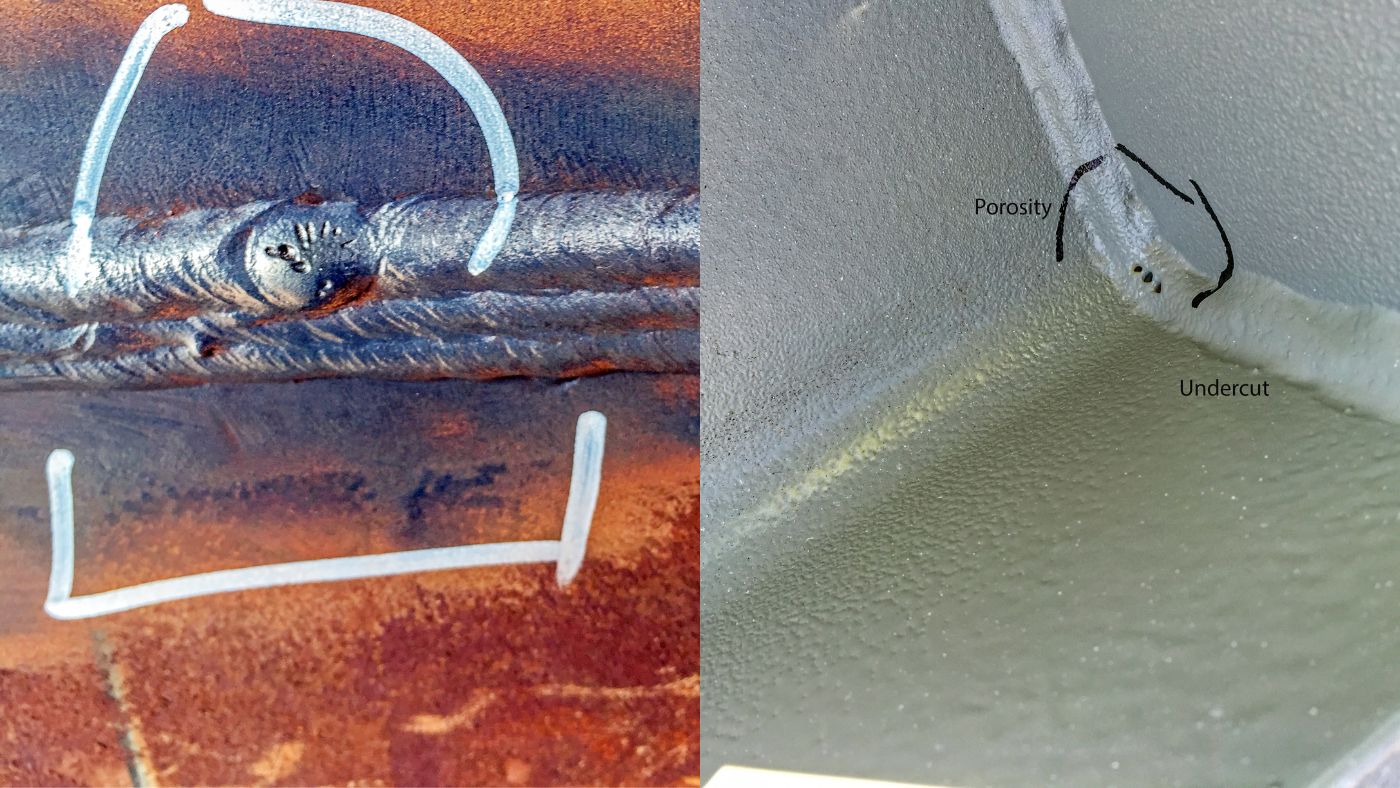
Welding is a critical process in the construction of steel structures and steel buildings. However, despite its importance and the skill of the welder, defects can still occur. These welding defects can compromise the integrity and safety of steel fabrication projects. Understanding common welding defects and how to avoid them is essential for ensuring high-quality steel structures and steel buildings. This article explores some of the most frequent welding defects and provides practical tips on how to prevent them.
Common Welding Defects
1. Porosity
Description: Porosity refers to the presence of small holes or cavities in the weld metal caused by trapped gas. This defect weakens the weld and can lead to failure under stress.
Causes: Contaminated base metal, improper shielding gas, or excessive moisture in the welding environment.
2. Cracks
Description: Cracks are fractures in the weld metal that can occur during or after the welding process. They are serious defects that can significantly reduce the strength of a weld.
Causes: High cooling rates, excessive stress, or incorrect welding parameters.
3. Undercut
Description: An undercut is a groove that forms at the weld toe, reducing the thickness of the base metal and weakening the joint.
Causes: Excessive welding current, incorrect angle of the welding torch, or improper welding speed.
4. Incomplete Fusion
Description: Incomplete fusion occurs when the weld metal does not properly fuse with the base metal or with the preceding weld bead, leading to weak joints.
Causes: Insufficient heat input, improper cleaning of the base metal, or incorrect welding technique.
5. Slag Inclusions
Description: Slag inclusions are non-metallic solid materials trapped in the weld metal, which can create weak spots and lead to failure.
Causes: Improper cleaning between welding passes, incorrect welding angle, or insufficient shielding gas.
6. Overlap
Description: Overlap occurs when the weld metal flows over the base metal without properly fusing, creating a weak joint.
Causes: Excessive welding current or incorrect welding technique.
How to Avoid Welding Defects
1. Proper Preparation
- Clean the Base Metal: Ensure that the base metal is free from contaminants such as oil, rust, and dirt. Use appropriate cleaning methods, such as wire brushing or grinding.
- Use Dry and Clean Electrodes: Store electrodes and filler materials in a dry environment to prevent moisture absorption.
2. Correct Welding Parameters
- Adjust Welding Current and Voltage: Use the recommended welding current and voltage settings for the specific welding process and material thickness.
- Maintain Proper Welding Speed: Avoid welding too fast or too slow, as it can lead to defects like undercutting or overlap.
3. Proper Shielding Gas
- Select the Right Shielding Gas: Use the appropriate shielding gas for the welding process to prevent porosity and other gas-related defects.
- Ensure Adequate Gas Flow: Maintain the correct flow rate of the shielding gas to protect the weld pool from atmospheric contamination.
4. Skilled Welding Technique
- Train Welders: Ensure that welders are properly trained and qualified for the specific welding tasks they perform.
- Use the Correct Welding Angle: Maintain the appropriate torch or electrode angle to achieve complete fusion and avoid defects like slag inclusions and overlap.
5. Controlled Welding Environment
- Avoid Welding in Damp Conditions: Moisture can lead to porosity and hydrogen-induced cracking. Ensure a dry welding environment.
- Control Cooling Rates: Use controlled cooling methods, such as preheating or post-weld heat treatment, to prevent cracking.
Conclusion
Avoiding welding defects is crucial for the integrity and durability of steel structures and steel buildings. By understanding common welding defects and implementing best practices in steel fabrication, it is possible to minimize the occurrence of these defects. Proper preparation, correct welding parameters, skilled technique, and a controlled welding environment are key factors in achieving high-quality welds. Ensuring these measures will lead to stronger, safer, and more reliable steel structures and steel buildings, meeting the high standards required in the construction industry.