Quality control in steel structures fabrication is a critical aspect that ensures the durability, safety, and performance of steel buildings. Given the significant investment and the crucial role that steel structures play in modern construction, maintaining stringent quality control measures is paramount. This article explores the importance of quality control in steel fabrication, highlighting how it impacts the integrity and reliability of steel buildings.
Ensuring Structural Integrity
One of the primary reasons for rigorous quality control in steel structures fabrication is to ensure structural integrity. Steel buildings rely on precisely fabricated components to maintain their stability and strength. Quality control processes, such as regular inspections and testing, help detect any defects or inconsistencies in the steel, ensuring that only the highest quality materials are used. This prevents potential failures and enhances the overall safety of the structure.
Compliance with Standards
Quality control in steel fabrication ensures compliance with international and local standards, such as ISO 9001, AWS D1.1, and others specific to steel structures and buildings. Adherence to these standards guarantees that the fabricated steel components meet the required specifications and performance criteria. This compliance is crucial for obtaining necessary certifications and approvals, facilitating smoother project execution and regulatory acceptance.
Minimizing Errors and Rework
Implementing robust quality control measures helps minimize errors and rework in the steel fabrication process. By conducting thorough inspections and testing at various stages of fabrication, potential issues can be identified and rectified early on. This not only saves time and costs associated with rework but also ensures that the project stays on schedule. Consistency in quality reduces the likelihood of delays and budget overruns, contributing to the overall success of the construction project.
Enhancing Durability and Longevity
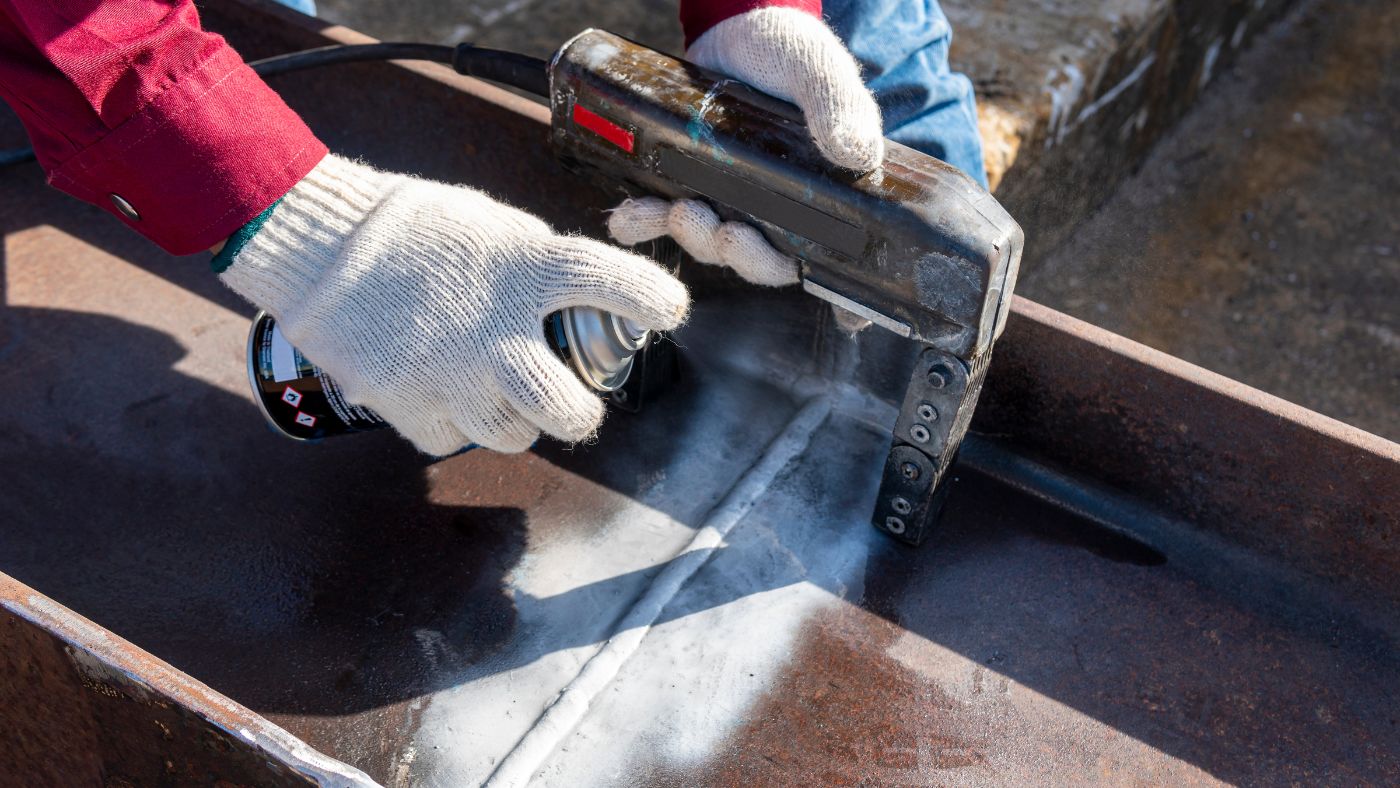
The durability and longevity of steel buildings are directly linked to the quality of the fabricated components. High-quality steel structures are less susceptible to wear and tear, corrosion, and other environmental factors. Quality control measures, such as non-destructive testing (NDT) and regular inspections, ensure that the steel components are free from defects and have the necessary protective coatings. This enhances the lifespan of the building, providing long-term value to the owners and occupants.
Safety Assurance
Safety is a paramount concern in any construction project, and quality control in steel fabrication plays a crucial role in ensuring it. By adhering to strict quality control protocols, potential hazards associated with faulty or substandard materials can be mitigated. Regular testing and inspections help identify weak points in the steel structures, allowing for timely corrective actions. This proactive approach significantly reduces the risk of accidents and ensures a safe working environment for construction workers and future occupants.
Boosting Reputation and Trust
For steel fabrication companies, maintaining high standards of quality control boosts their reputation and builds trust with clients and stakeholders. Consistently delivering high-quality steel structures demonstrates a commitment to excellence and reliability. This, in turn, leads to repeat business, positive referrals, and a strong market presence. Clients are more likely to choose a company known for its stringent quality control measures, ensuring their investment is protected and their projects are successful.
Conclusion
In conclusion, quality control is an indispensable aspect of steel structures fabrication. It ensures structural integrity, compliance with standards, minimizes errors, enhances durability, assures safety, and boosts reputation. As the demand for steel buildings continues to grow, the importance of maintaining rigorous quality control measures cannot be overstated. By prioritizing quality control, steel fabrication companies can deliver superior products that meet the highest standards of performance and safety, contributing to the advancement of modern construction and urban development.
By understanding and implementing the principles of quality control, the steel fabrication industry can continue to innovate and provide reliable, high-quality steel structures that shape the skylines of our cities and stand the test of time.