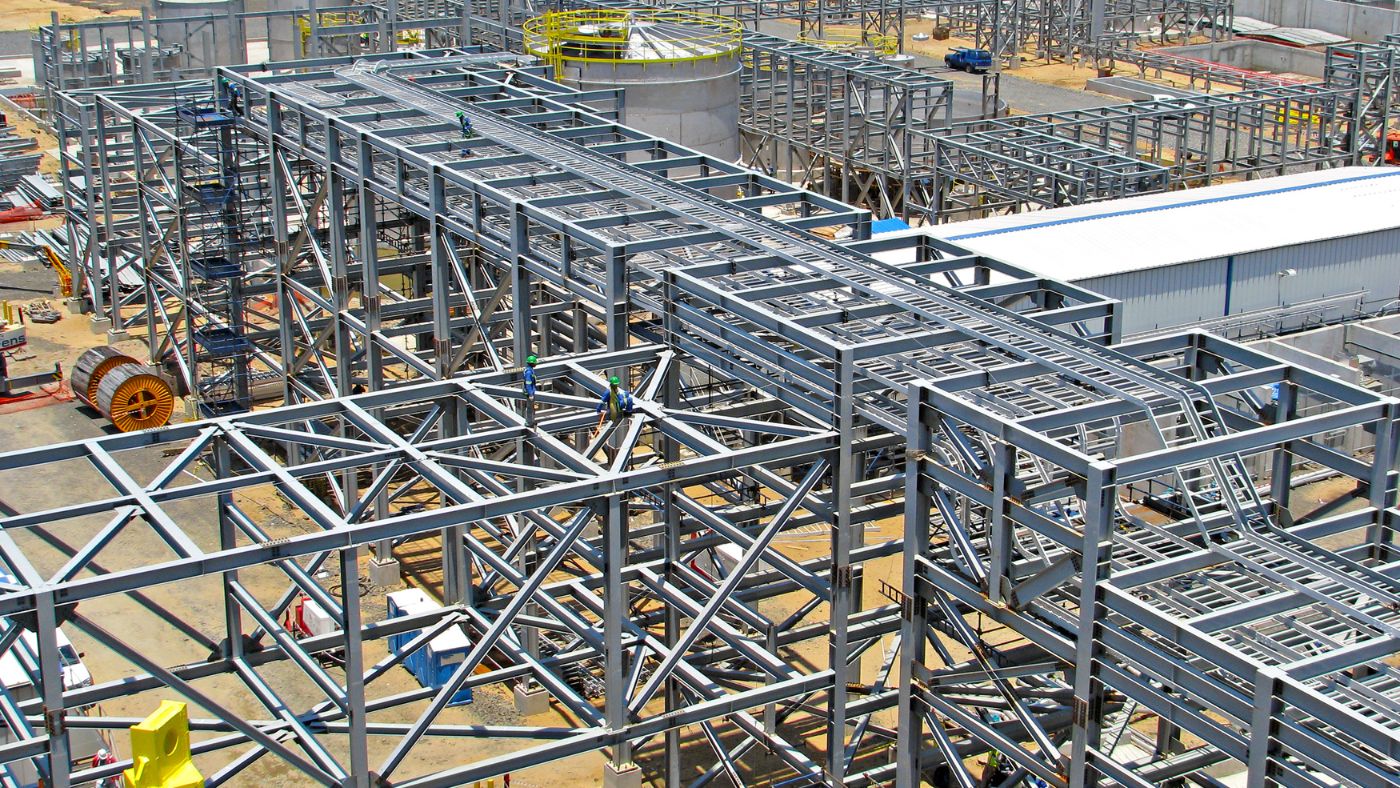
Steel Fabrication for Pipe Rack: Essential Insights
Steel fabrication plays a critical role in various construction projects, including the creation of pipe racks. Pipe racks are essential structures designed to support pipes in industrial facilities, ensuring the safe and organized transport of liquids and gases. This article delves into the intricacies of steel fabrication for pipe racks, highlighting the importance of steel buildings, steel structures, and steel design in this context.
What is a Pipe Rack?
A pipe rack is a steel structure that provides support for pipes and conduits in industrial environments. These structures are crucial in industries such as oil and gas, chemical processing, and power generation, where they facilitate the organized routing of pipes, ensuring safety and efficiency.
Importance of Steel Fabrication in Pipe Racks
1. Strength and Durability
Steel is the material of choice for pipe racks due to its superior strength and durability. Steel structures are capable of withstanding heavy loads, environmental stress, and extreme temperatures, making them ideal for industrial applications. The robustness of steel ensures that pipe racks can support significant weight without bending or breaking, thereby maintaining the integrity of the entire system.
2. Customization and Flexibility
Steel fabrication allows for high levels of customization, which is essential for pipe racks that need to fit specific industrial layouts. Fabricators can design and produce steel structures that meet the exact requirements of a project, including unique shapes, sizes, and configurations. This flexibility ensures that the pipe racks integrate seamlessly into existing facilities, optimizing space and functionality.
3. Safety and Compliance
Safety is paramount in industrial settings, and steel fabrication plays a crucial role in ensuring that pipe racks meet stringent safety standards. Fabricated steel structures are designed to comply with industry regulations and codes, such as those set by the American Institute of Steel Construction (AISC) and the Occupational Safety and Health Administration (OSHA). This compliance ensures that pipe racks are safe for both personnel and operations.
Key Steps in Steel Fabrication for Pipe Racks
1. Design and Engineering
The first step in steel fabrication for pipe racks involves detailed design and engineering. Engineers use advanced software to create precise blueprints that account for load requirements, environmental conditions, and spatial constraints. This stage also involves structural analysis to ensure the pipe rack's stability and safety.
2. Material Selection
Choosing the right steel grade is critical for the performance of the pipe rack. Commonly used materials include carbon steel, stainless steel, and alloy steel, each offering specific properties suited to different environments. The selected material must meet the project’s requirements for strength, durability, and corrosion resistance.
3. Cutting and Shaping
Once the design is finalized, the fabrication process begins with cutting and shaping the steel components. Techniques such as laser cutting, plasma cutting, and CNC machining are employed to achieve precise dimensions and shapes. This step ensures that the steel parts fit together perfectly during assembly.
4. Welding and Assembly
Welding is a fundamental part of steel fabrication, used to join steel components together. Skilled welders follow strict welding procedures to ensure strong, durable joints. After welding, the components are assembled into the final pipe rack structure.
5. Surface Treatment
To protect the steel from corrosion and enhance its longevity, surface treatments such as galvanizing, painting, or powder coating are applied. These treatments also improve the aesthetic appearance of the pipe racks.
6. Quality Control
Quality control is an integral part of the steel fabrication process. Each stage, from design to final assembly, undergoes rigorous inspections to ensure compliance with project specifications and safety standards. This step ensures that the fabricated pipe rack is of the highest quality.
7. Installation
The final step involves the installation of the fabricated pipe rack at the project site. This process requires careful planning and coordination to ensure that the pipe rack is installed correctly and securely.
Conclusion
Steel fabrication is indispensable for the construction of reliable and efficient pipe racks. The strength, durability, and customization capabilities of steel make it the ideal material for these critical structures. By adhering to rigorous design, fabrication, and quality control processes, industries can ensure that their pipe racks meet the highest standards of performance and safety.
Incorporating the latest advancements in steel design and fabrication, pipe racks continue to evolve, providing essential support in industrial facilities worldwide. As the demand for robust and efficient steel buildings and steel structures grows, the role of steel fabrication in creating high-quality pipe racks remains crucial.