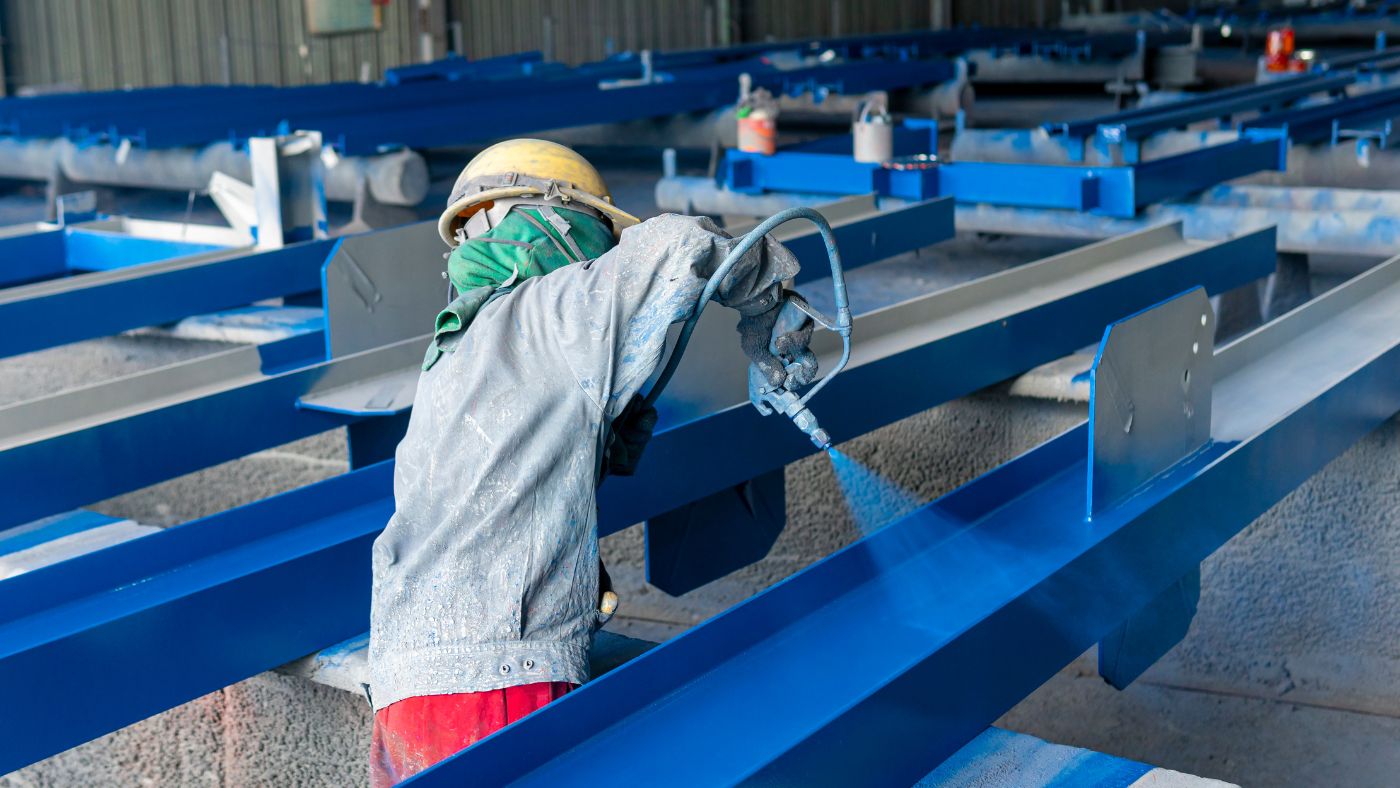
Painting is an essential aspect of steel fabrication, playing a critical role in protecting steel structures from corrosion, enhancing their durability, and improving their aesthetic appeal. This article explores the different types of painting used for steel buildings and steel structures, highlighting their benefits and applications.
Importance of Painting in Steel Structures
Steel structures, by their nature, are susceptible to corrosion when exposed to environmental elements. Painting serves as a protective barrier, preventing moisture and chemicals from reaching the steel surface. Additionally, painting can improve the appearance of steel buildings, aligning them with architectural and aesthetic standards.
Types of Painting for Steel Structures
1. Epoxy Coatings
Epoxy coatings are widely used in steel fabrication due to their excellent adhesion and resistance to chemicals, abrasion, and moisture. These coatings are ideal for environments where steel structures are exposed to harsh conditions.
- Advantages: High durability, excellent chemical and moisture resistance, strong adhesion.
- Applications: Industrial facilities, offshore structures, and areas with high chemical exposure.
2. Polyurethane Coatings
Polyurethane coatings provide a high-gloss finish and superior resistance to ultraviolet (UV) radiation, making them suitable for outdoor steel buildings and structures.
- Advantages: UV resistant, maintains gloss and color over time, flexible.
- Applications: Exterior surfaces of steel buildings, bridges, and high-rise structures.
3. Zinc-Rich Primers
Zinc-rich primers are used as a base coat to provide cathodic protection to steel structures. They contain a high percentage of zinc dust, which offers sacrificial protection, preventing corrosion of the steel underneath.
- Advantages: Provides excellent corrosion resistance, especially in marine and industrial environments.
- Applications: Marine structures, offshore platforms, and industrial plants.
4. Alkyd Paints
Alkyd paints are oil-based coatings known for their ease of application and good adhesion properties. They are commonly used for interior steel structures where severe environmental exposure is not a concern.
- Advantages: Easy to apply, good adhesion, and affordable.
- Applications: Interior steel structures, decorative applications, and general maintenance.
5. Acrylic Coatings
Acrylic coatings are water-based paints that offer good weather resistance and flexibility. They are suitable for both exterior and interior applications on steel buildings.
- Advantages: UV resistant, flexible, environmentally friendly.
- Applications: Architectural steel structures, residential buildings, and commercial structures.
6. Intumescent Coatings
Intumescent coatings provide passive fire protection by expanding and forming an insulating char layer when exposed to high temperatures. This helps protect the steel structure from the effects of fire.
- Advantages: Provides fire resistance, enhances safety, aesthetically pleasing.
- Applications: High-rise buildings, public facilities, and any structures requiring fire protection.
Factors to Consider When Choosing Paint for Steel Structures
When selecting the appropriate paint for steel structures, several factors need to be considered:
- Environmental Exposure: The type of environment (industrial, marine, rural) determines the level of protection required.
- Durability: The lifespan of the coating and its maintenance requirements.
- Aesthetics: The desired finish and color options.
- Compliance: Adherence to industry standards and regulations.
Conclusion
Choosing the right type of painting for steel structures is crucial in ensuring their longevity, performance, and appearance. From epoxy and polyurethane coatings to zinc-rich primers and intumescent coatings, each type offers unique benefits tailored to specific applications and environments. By understanding the various options and their advantages, engineers and fabricators can make informed decisions to protect and enhance steel buildings effectively.