Pre-engineered steel buildings have become a top choice for many projects, from industrial factories and warehouses to showrooms and supermarkets. However, picking the right main structural frame is crucial. It directly affects the building's durability, cost, and overall efficiency. This guide will help you understand the common frame types and how to make the best decision.
A pre-engineered steel building is a structure made from steel components—like columns, rafters, and purlins—that are manufactured at a factory. These parts are then shipped to the construction site and assembled. This process saves time, money, and labor while ensuring strict quality control. The key benefits of these buildings are their flexible design, ability to span large distances, and ease of future expansion.
When designing a pre-engineered steel building, the choice of frame depends on the building's purpose and space requirements. Here are the main types:
A Clear Span Frame is the simplest type. It has no interior columns, creating a completely open space. This frame is perfect for warehouses, manufacturing plants, or showrooms that need a wide, unobstructed area.
Pros: Maximizes usable space, making it easy to arrange machinery or goods.
Cons: Can be more expensive because the structure needs to be stronger to span a large distance without support.

A Multi-Span Frame uses rows of interior columns to divide the building into smaller spans. This design reduces the length of the main beams, which saves material and lowers construction costs. Multi-span frames are great for large factories or warehouses where a completely open space isn't necessary.
Pros: Cost-effective due to less material needed, suitable for large buildings.
Cons: Interior columns limit usable space and can make it harder to arrange equipment.

Similar to the Multi-Span Type 1, this frame also uses interior columns but with a different arrangement of columns and rafters. It often uses straight columns with a roof beam. This setup is good for buildings with multiple separate sections or those that need to handle different loads in one area.
Pros: Excellent load-bearing capacity and a flexible design for different functions.
Cons: The structure is more complex, which might lead to higher design and construction costs.
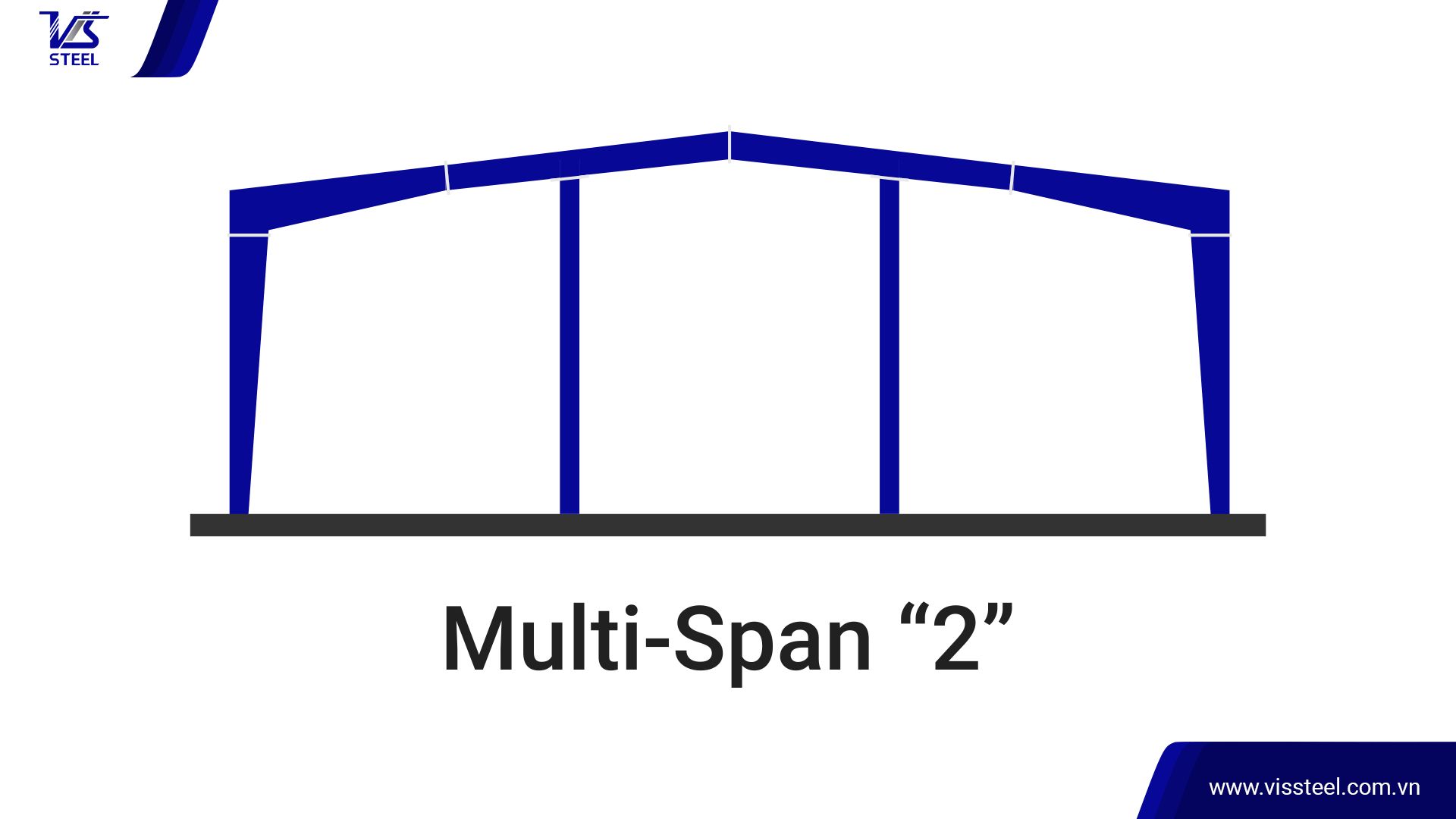
A Crane Frame is specially designed to support the extra weight of a crane system. The columns and beams are reinforced to handle heavy loads, making it easy and safe to move heavy materials or machinery inside the building. This frame is essential for places like steel plants or mechanical workshops that need a crane for lifting.
Pros: Allows for efficient movement of heavy materials, increasing productivity.
Cons: The cost of materials and construction is much higher due to the special reinforcements needed.
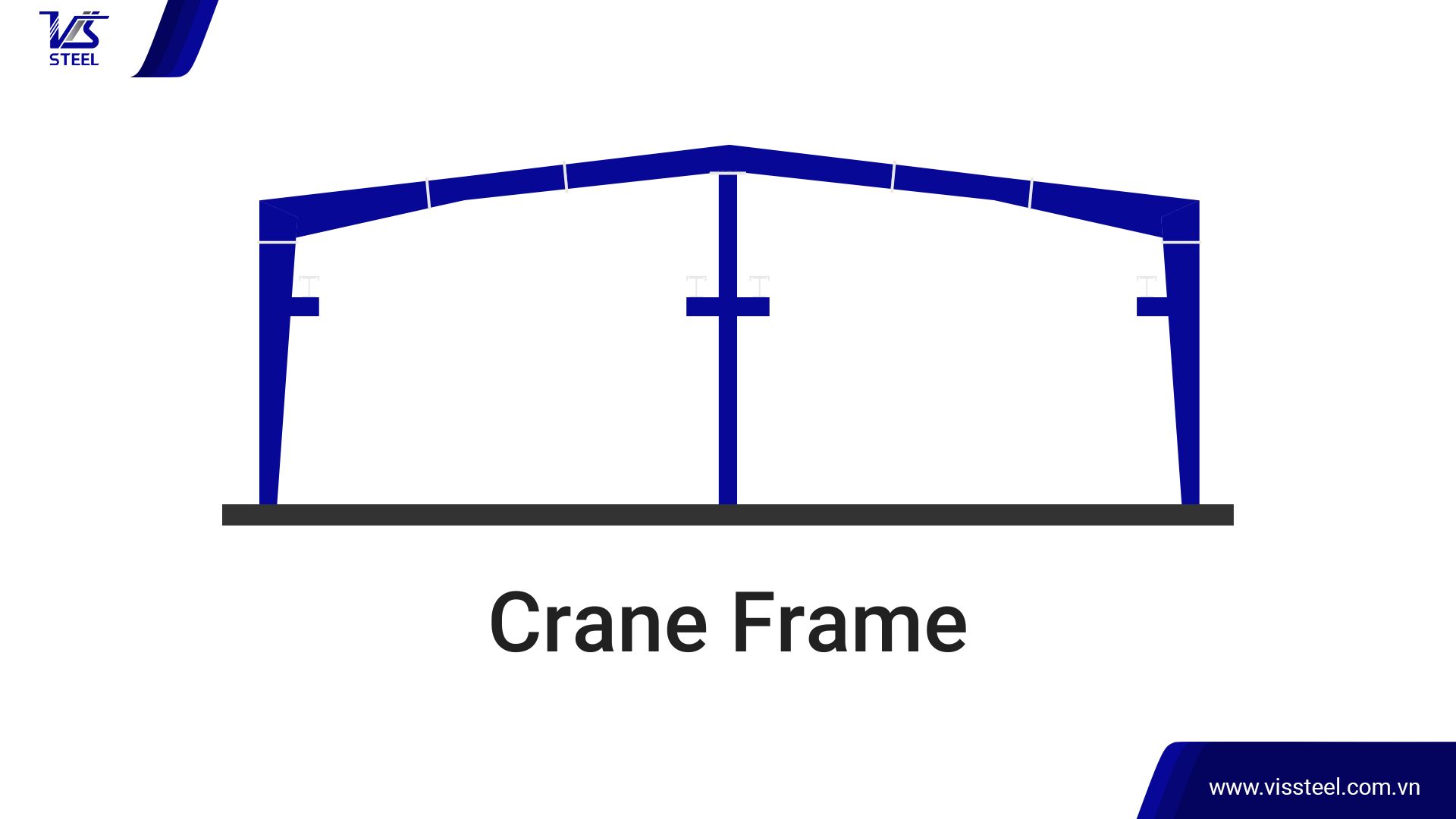
This frame has a simple design with a roof that slopes in one direction. Single Slope Frames are often used for small buildings like storage sheds, garages, or covered areas. This design allows for quick and easy water drainage.
Pros: Simple design, lower cost, and good rain/snow drainage.
Cons: Only suitable for buildings with a small width.
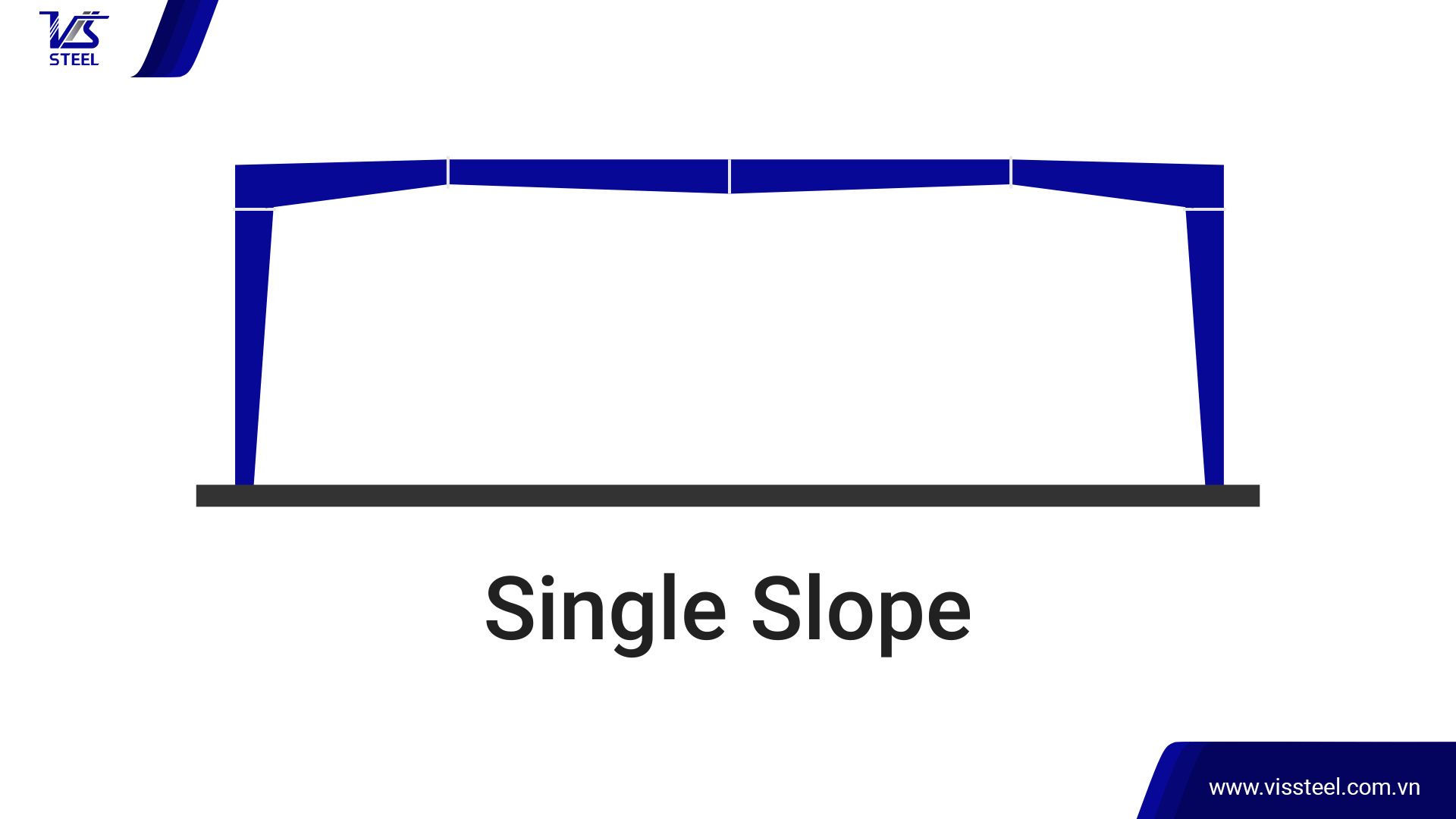
A Lean-To Frame is an add-on structure, usually built next to an existing building to expand its space or create a sheltered area. This frame is cost-effective because it only needs one row of columns, with the other side attached to the main building. It's ideal for things like canopies, small sheds, or walkways.
Pros: Saves money and time, easy to add to an existing building.
Cons: Can only be used for extensions and requires a main building to attach to.
To ensure your building is safe and high-quality, avoid these common mistakes:
- Choosing the Wrong Frame: Using the wrong frame type can lead to wasted money or a structure that can't handle the required loads.
- Erection Errors: Incorrect assembly can cause structural problems and affect the building's durability and appearance.
- Ignoring the Design: Making changes to the design without an engineer's review can create big safety risks.
To pick the best frame for your project, consider these factors:
- Factory or warehouse: Use a Clear Span Frame for a wide, open area without columns.
- Multi-section building: Choose a Multi-Span Frame to save money on large, wide structures.
- Building with a crane: A Crane Frame is a must to safely move heavy objects.
- Large spans: A Clear Span Frame is great for spans over 30 meters without columns.
- Cost savings: A Multi-Span Frame reduces the size of beams and columns, cutting material costs.
- Higher cost: Clear Span and Crane Frames are usually more expensive due to the need for stronger materials.
- Lower cost: Multi-Span frames are more economical because the interior columns help distribute the load.
If you plan to expand later, consider frames like the Lean-To Frame, which are designed for easy additions.
Choosing the right main frame is the first and most important step in building a pre-engineered steel structure. By understanding the features of each frame type, you'll be well-equipped to make an informed decision. Always consult with experts to ensure your building is durable and efficient.
________________
Contact Information
VIS STEEL STRUCTURES COMPANY LIMITED
Address: N11, No. 119, Pho Quang Street, Duc Nhuan Ward, Ho Chi Minh City
Factory: Lot 1G5, CN9 Street, Tan Binh Industrial Park, Vinh Tan Ward, Ho Chi Minh City
Hotline: (+84) 28 354 710 30 - (+84 0274) 3622 213
Email: info@vissteel.com.vn